
Use tests to better support your cosmetic claims
Creating a private-label cosmetic range does not stop at choosing a formula or packaging.
Very often, the real challenge comes when it is time to sell the product: how can you clearly explain what the formula delivers without making claims that are too vague or overly ambitious?
At BIOTIC Phocea, use tests help connect product messaging with what users actually report after using the product.
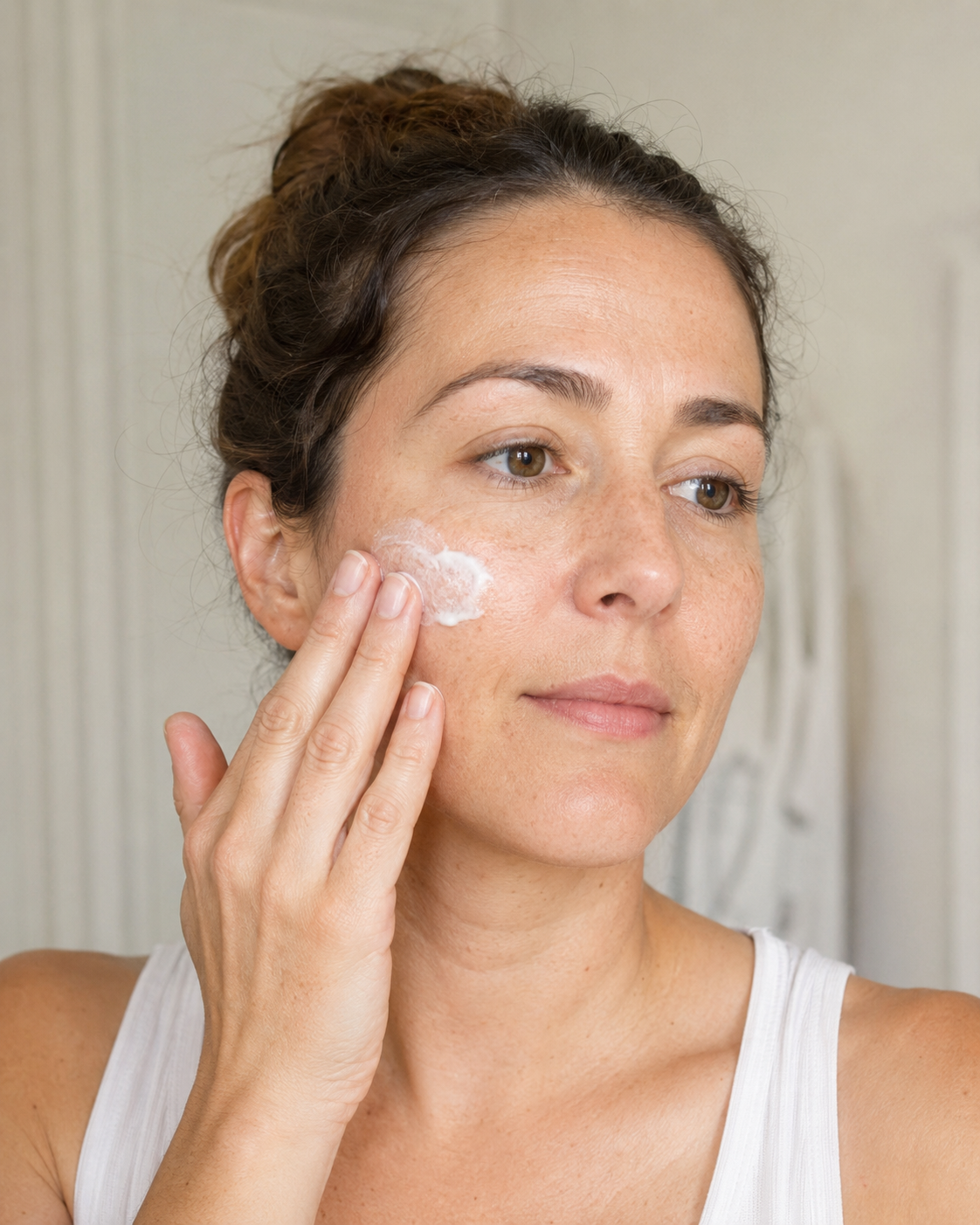
“Moisturising”, “radiance”, “clear skin”, “healthy glow”... These benefits are frequently used in cosmetics. But to be valuable to a brand, they need to be accurately formulated and linked to a genuine user experience.
A cosmetic use test makes it possible to establish the link between a formula and how it is perceived after application: texture, comfort, skin finish, mattifying effect, softness, radiance or overall satisfaction.
Many private-label projects start with an interesting formula but messaging that is still too generic. Use testing helps avoid generic statements and build more concrete arguments for packaging, product pages or e-commerce content.
Move from a general promise to measured user perception
A use test involves having volunteers use a formula under defined conditions, then collecting their feedback through a questionnaire tailored to the product.
The objective is not simply to create attractive claims for sales materials. It is about identifying what users genuinely notice: a pleasant texture, skin perceived as softer, reduced shine, a healthy-glow effect or an improved feeling of comfort.
A tool to better support cosmetic claims
A use test does not replace a clinical or instrumental test when a claim requires one. However, it can support perception-based claims relating to texture, comfort, softness, mattifying effect, radiance or overall satisfaction.
A useful method from the very beginning of your product range
In a private-label project, use testing can be carried out before commercial launch to help the brand choose the right wording.
Instead of accumulating broad promises, the results make it possible to select the benefits that users perceive most clearly and turn them into usable marketing arguments.
A simple protocol with commercially usable results
Define the criteria
We define the criteria to be assessed according to the formula: texture, fragrance, comfort, softness, radiance, mattifying effect, clear-looking skin or overall satisfaction.
Have volunteers use the product
The product is generally tested for several weeks by volunteers, following the instructions intended for real-life use.
Turn feedback into claims
The results are analysed to identify the most relevant benefits and convert them into wording that can be used across your communication materials.
Three cosmetic formulas tested by volunteers
BIOTIC Phocea conducted use tests on three formulas: Radiance Cream, Blur and Purifying Mask. The results below are presented as user-reported outcomes.
Healthy glow & suppleness
- 96% find the texture pleasant
- 96% report an immediate healthy-glow effect
- 96% find their skin more supple
- 93% feel that their skin is hydrated on the surface
Example claim: “96% of testers report that the Radiance Cream provides an immediate healthy-glow effect.”
Mattifying effect & clearer-looking skin
- 100% report reduced skin shine
- 96% notice a mattifying effect
- 92% find their skin smoother
- 88% find that visible pores appear blurred
Example claim: “100% of testers report that their skin looks less shiny after using Blur.”
Clearer & purified-looking skin
- 100% find the texture pleasant
- 100% report softer skin
- 100% report clearer-looking skin
- 96% report purified-looking skin
Example claim: “100% of testers report that the Purifying Mask leaves their skin looking clearer.”
Percentages must always be accompanied by the appropriate information when used: type of test, number of volunteers, duration of use and exact wording of the question asked.
Example wording to include: use test conducted on volunteers over a defined period. Results expressed as the percentage of volunteers who responded favourably to the question asked.
Creating a product range also means preparing the right messaging
For private-label projects, BIOTIC Phocea supports cosmetic brands in selecting ready-to-use formulas, packaging, customisation and communicating product benefits.
Use tests complement this approach by providing concrete evidence to help create stronger product pages, sales materials, packaging and launch campaigns.
The aim is not to overstate the benefits. The aim is to communicate them accurately, using clear results and wording adapted to each medium.
Frequently asked questions
Is a use test mandatory?
It is not always mandatory. However, it becomes particularly useful when a brand wants to communicate benefits related to user perception, such as comfort, softness, texture, radiance, mattifying effect or overall satisfaction.
Can the results be used on packaging?
Yes, provided that the claim accurately reflects the results obtained and that the necessary information is included: type of test, number of volunteers, duration of use and result obtained.
Can BIOTIC Phocea adapt the questionnaire to each formula?
Yes. Questions are adapted to the type of product, its galenic form, application area and the benefits the brand wishes to evaluate.
Develop your private-label range with BIOTIC Phocea
Would you like to create a cosmetic formula, customise your packaging or develop more precise marketing messaging around your products? Our teams support you from product creation through to the positioning and promotion of your range.